
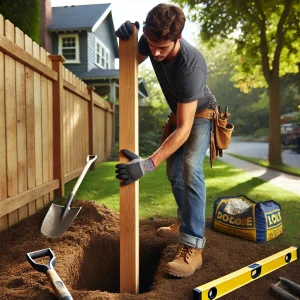
 Properly mounting a fence post is one of the most critical steps in ensuring the longevity, stability, and strength of your fence. Whether you are installing a wooden privacy fence, a chain link perimeter, or a decorative vinyl barrier, your posts serve as the foundation of the entire structure. If the posts are not set correctly, your fence can lean, sag, or even collapse over time.
This detailed guide will walk you through the most effective methods for mounting a fence post, common mistakes to avoid, and tips for different soil types and materials.
Why Is Proper Fence Post Installation Important?
Fence posts are the backbone of your fence. If they are not securely anchored, your fence will be susceptible to:
- Leaning and shifting due to wind or soil movement.
- Sagging or falling over time.
- Rotting or water damage (especially with wood posts).
- Instability when supporting gates or heavy panels.
Taking the time to mount your posts properly will ensure your fence lasts for decades.
What Tools and Materials Do I Need to Mount a Fence Post?
Before starting, gather these tools and materials:
- Fence posts (wood, vinyl, aluminum, or metal)
- Post hole digger or powered auger
- Shovel
- Gravel (for drainage)
- Concrete mix
- Level
- Measuring tape
- Tamper or rod
- Bracing stakes and twine (for alignment)
- Protective sealant (for wood posts)
Step-by-Step Guide to Mounting a Fence Post
Step 1: Plan and Mark Post Locations
- Measure your fence line and mark each post location using stakes and string.
- Space posts evenly according to your fence design (typically 6 to 8 feet apart).
- Double-check property lines and check for underground utilities by calling 811 before digging.
Step 2: Dig the Post Holes
- Use a post hole digger or auger to dig holes that are at least 1/3 of the total post height.
- For a 6-foot fence, dig holes 2 to 3 feet deep.
- Make the hole 3 times the width of the post for stability.
- Example: A 4×4 post needs a 12-inch-wide hole.
- Deeper holes are required in colder climates to get below the frost line and prevent heaving.
Step 3: Add Gravel for Drainage
- Pour 4 to 6 inches of gravel (crushed stone or pea gravel) into the bottom of the hole.
- Use a tamper or the end of your post to compact the gravel. This improves drainage and prevents water from pooling around the post.
Step 4: Position the Post and Level It
- Set the post into the hole on top of the gravel base.
- Use a level on multiple sides to ensure the post is perfectly vertical.
- Secure the post temporarily with bracing stakes or clamps to hold it in place while you pour concrete.
Step 5: Pour Concrete
- Prepare fast-setting concrete mix according to the manufacturer’s instructions.
- Pour the concrete around the post, filling the hole to about 2 to 3 inches below ground level.
- Slope the top of the concrete slightly away from the post to allow water runoff.
- DO NOT mix concrete with soil—this weakens the foundation and leads to instability.
Step 6: Check Alignment and Allow to Cure
- Double-check that the post is still level and straight.
- Let the concrete set for 24 to 48 hours before attaching fence panels, rails, or tensioning wire.
- For fast-setting concrete, some products set in 30 to 60 minutes, but it’s still advisable to wait a day before adding weight.
Alternative Mounting Methods
1. Mounting a Post Without Concrete (For Light-Duty Fences)
Concrete is best for stability, but in some cases, you can set a post without it:
- Gravel & Tamping: Fill the hole with gravel, tamping every few inches. Best for temporary or decorative fences.
- Post Spikes: Metal spikes driven into the ground; useful for soft soil or installing on hard surfaces, but not as durable as concrete.
2. Surface Mounting on Concrete or Decks
For fences on patios, driveways, or decks:
- Use metal post brackets designed for surface mounting.
- Secure the bracket with concrete anchors or lag bolts.
- Ensure the surface is level and the structure can support the fence’s weight and wind load.
Common Mistakes to Avoid
- Shallow Post Holes: A common mistake leading to leaning posts.
- Skipping Gravel Base: Leads to water pooling and rotting wood posts.
- Mixing Concrete and Soil: Weakens the set and causes shifting over time.
- Not Checking Levels: Posts that lean even slightly will cause alignment issues later.
How Deep Should Fence Posts Be?
- Standard Residential Fence: 2-3 feet deep (minimum 1/3 of post height).
- Taller or Heavy-Duty Fence: 3-4 feet deep.
- Frost Line Areas: Always dig below the frost line in your region to prevent posts from heaving during freezing weather.
How Long Should Concrete Cure Before Attaching Fence Panels?
- Fast-setting concrete: 30-60 minutes for initial set, but wait 24 hours before attaching panels.
- Standard concrete: Allow 48 hours to fully cure before adding weight.
Tips for Different Post Materials
Wood Posts
- Use pressure-treated lumber for ground contact.
- Seal the cut ends with wood preservative to prevent rot.
- Consider setting posts in concrete with a gravel base.
Vinyl Posts
- Vinyl posts require internal reinforcement with wood or metal if supporting gates.
- Concrete is essential for vinyl stability.
Metal or Aluminum Posts
- Typically set in concrete.
- Galvanized steel resists rust, but check coatings for scratches.
Regional Considerations
- Cold Climates: Always dig below the frost line (often 36+ inches).
- Wet or Clay Soil: Ensure proper drainage with gravel and slope the top of concrete.
- High Wind Areas: Set posts deeper and closer together, and consider stronger post materials like metal.
Fence Post Installation FAQ Recap
| Factor | Recommendation |
|---|---|
| Hole Depth | 1/3 to 1/2 of post height (2-3 ft for a 6 ft fence) |
| Base Material | 4-6 inches of gravel |
| Concrete Use | Always recommended for stability |
| Cure Time | 24-48 hours (fast-set may hold in 1 hour, but waiting is best) |
| Frost Line (Cold Areas) | Dig below frost line |
| Wood Posts | Use pressure-treated wood + seal ends |
| Vinyl Posts | Reinforce with metal/wood insert |
| Metal/Aluminum | Galvanized for rust resistance |
Final Thoughts
Mounting a fence post correctly is essential for a long-lasting, sturdy fence. Taking the time to dig deep enough, use gravel for drainage, and set the post securely in concrete will save you from costly repairs and headaches later.
If you’re ready to get started on your fence project but need professional help, fill out the form below for a free estimate from trusted local fencing experts!